


The human papillomavirus (HPV) is the most common sexually transmitted infection worldwide and, despite this, it remains one of the least understood. In fact, it is estimated that more than 80% of sexually active people will come into contact with the virus at some point in their lives, regardless of sex, age or the type of relationship they have. Even so, HPV continues to be surrounded by myths.
On the occasion of World HPV Day, 4 March, the Fight Infections Foundation stresses the need to normalise conversations about the virus, debunk false beliefs and remind people that information is a key tool for protecting both individual and collective health. For this reason, the Foundation presents the five most common myths and facts about this infection.
Is it easy to get HPV? True
Yes, human papillomavirus is one of the easiest sexually transmitted infections to acquire. It is mainly transmitted through direct skin-to-skin contact, via secretions or contact with mucous membranes during sexual activity, whether vaginal, anal or oral. In other words, penetration is not necessary for transmission to occur. In addition, while condom use reduces the risk, it does not eliminate it completely, as the virus can affect areas not covered by the condom.
Does HPV only affect cisgender women? False
The infection does not discriminate and can be transmitted in any type of sexual relationship. Although HPV is closely linked to cervical cancer, the virus can also affect the anal canal or oropharynx and cause other types of cancer, such as anal, penile or oropharyngeal cancer, as well as genital warts.
If there are no symptoms, there is no HPV? False
In most cases, HPV infection does not cause symptoms and is cleared spontaneously by the immune system. However, in a small percentage of people the virus persists and can cause precancerous lesions which, if not detected early, may progress to cancer many years later. For this reason, prevention through vaccination, depending on the most affected groups, and appropriate clinical follow-up are essential.
Does vaccination work? True
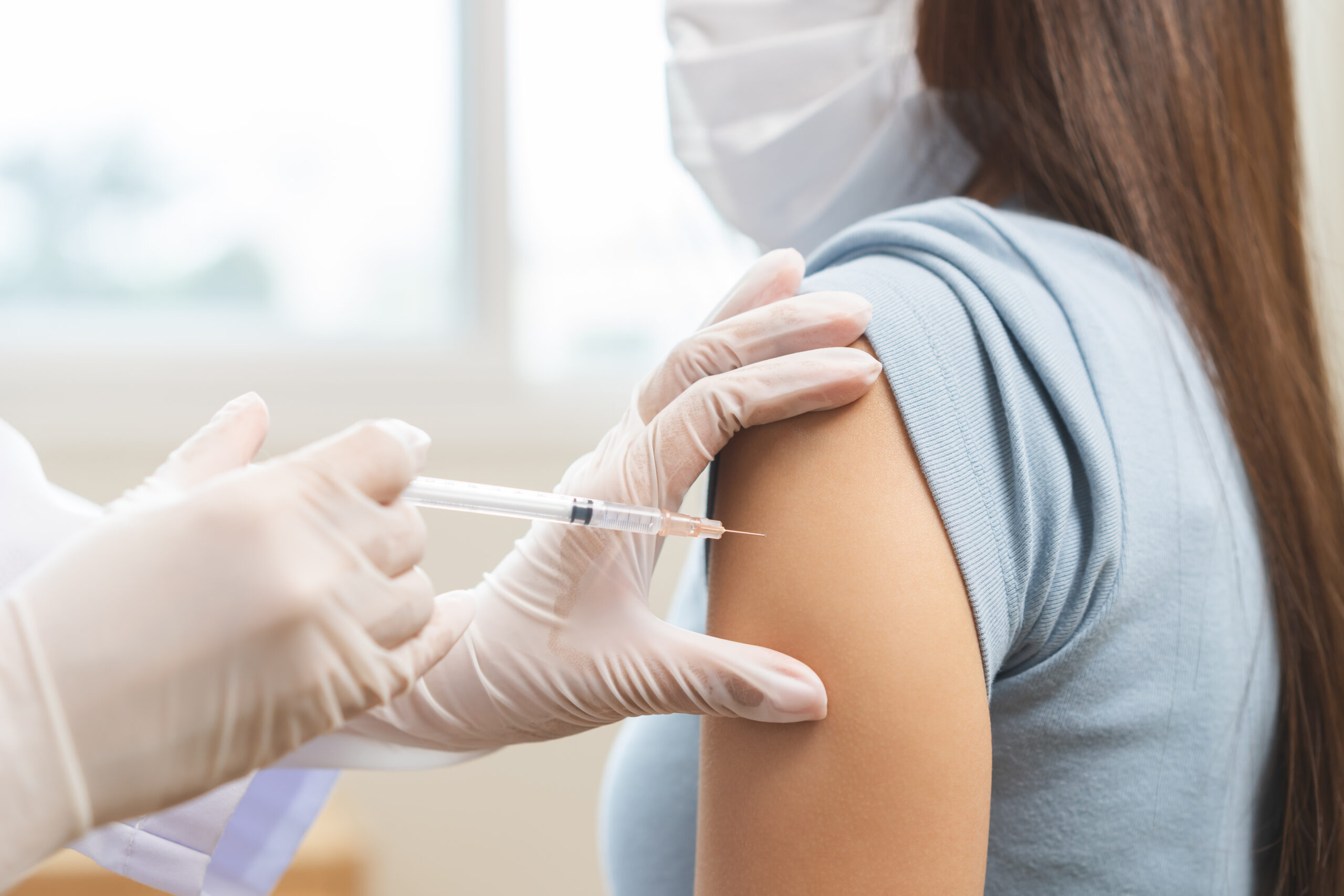
HPV vaccination is currently the most effective tool to prevent infection and related cancers. Available vaccines can prevent more than 90% of HPV-related tumours, especially when administered before the onset of sexual activity. In recent years, the inclusion of both boys and girls in vaccination programmes has represented a major step forward towards more equitable and effective prevention.
Does having HPV mean having cancer? False
In addition to vaccination, Dr Susana Muñoz, coordinator of Sexually Transmitted Infections at the Fight Infections Foundation, highlights the importance of screening programmes, both for cervical and anal cancer, depending on age and risk groups. Screening tests make it possible to detect lesions at very early stages and act before they become a serious problem. Testing positive for HPV does not mean having cancer, but it does mean having the opportunity for appropriate follow-up.
“Getting informed, getting vaccinated and taking part in HPV early detection programmes are key actions to reduce its impact,” she adds.
Share