


International Health
The five most common infections among travellers and how to prevent them
14/07/2026
See more

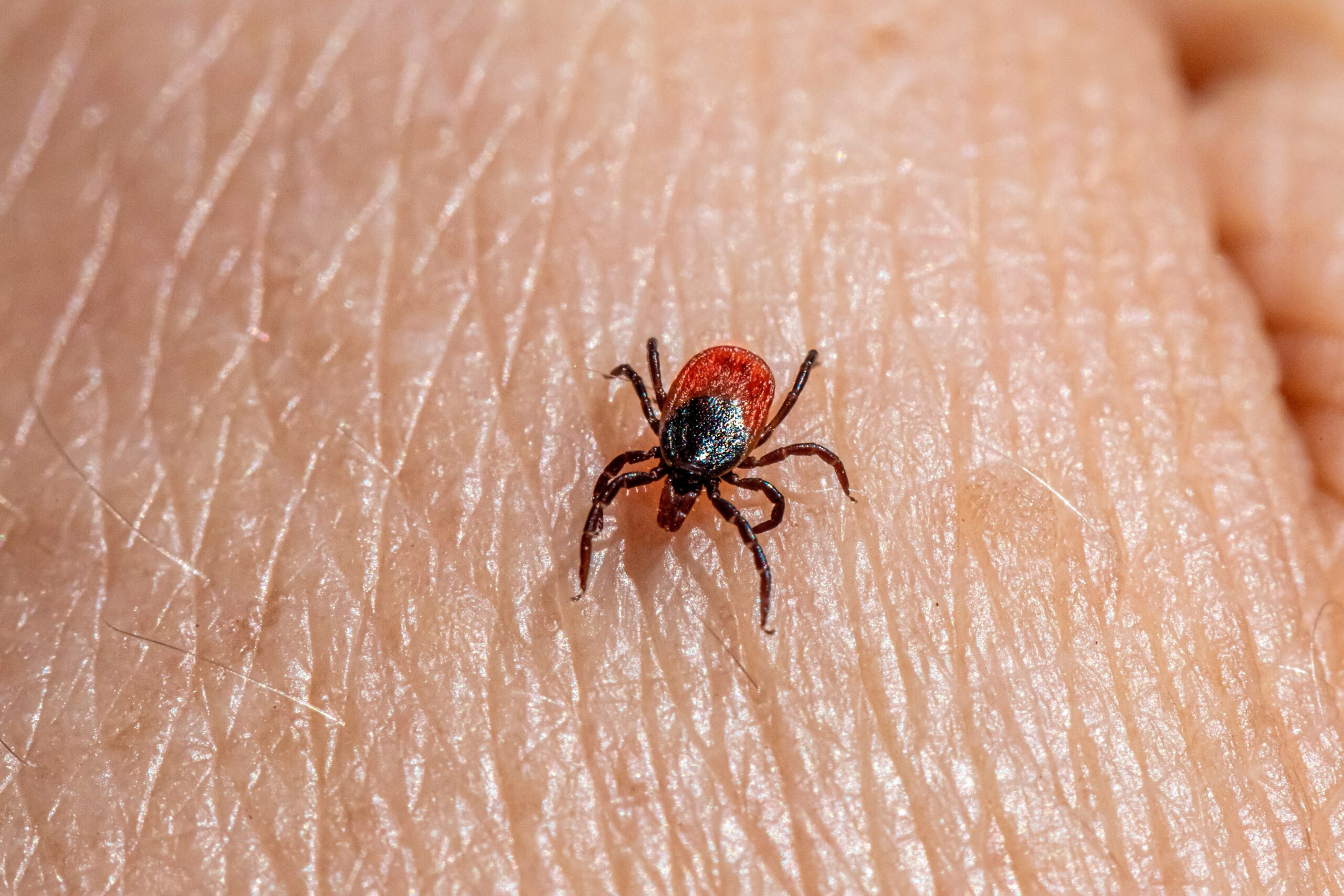
With the arrival of warmer weather, outdoor activities increase… and so does the presence of ticks. Although most bites are harmless, these small parasites can transmit diseases, so prevention and early action are key.
For this reason, at the Foundation for the Fight Against Infections we explain what ticks are, how to avoid their bites and what to do if you find one.
Ticks are parasites that feed on blood and can attach themselves to both animals and people. Their bites are usually painless, so they often go unnoticed.
In some cases, they can transmit infections such as Lyme disease or Mediterranean spotted fever, although this happens in a small percentage of cases.
Avoiding contact is the best protection. Here are the main measures:
Before and during outdoor activities in scrubland and wooded areas:
When you return home:
If you find a tick attached to your skin, act quickly:
It is also important to avoid common mistakes such as using oils, alcohol or heat to “smother” it. Do not crush it or remove it with your fingers, as these practices can cause the tick to release more saliva and increase the risk of infection.
After removing the tick, it is important to monitor the area over the following weeks. If possible, keep the tick for up to a month in case any complications arise later. Seek medical advice if you notice:
Most tick bites do not cause complications, but early detection of symptoms is key
14/07/2026
15/06/2026
15/06/2026
Share