


Infections
Measles: what is it, what symptoms does it cause and how can it be prevented?
16/10/2026
See more

The increase in measles cases in the United States is once again drawing attention to a highly contagious disease that can be prevented through vaccination. Knowing the symptoms and checking that we have received the appropriate vaccinations is key to preventing new infections.
The latest data from the Centers for Disease Control and Prevention (CDC) show a significant increase in measles cases in the United States. By 1 October 2026, 3,887 confirmed cases had been reported, 95% of which were associated with outbreaks. Over the whole of 2025, 2,289 cases were reported.
This situation is once again drawing attention to an infection that, despite being preventable through vaccination, continues to circulate around the world. In Catalonia, health authorities have also warned that the global increase in cases could lead to imported cases and result in transmission among unvaccinated people.
Measles is an acute viral disease that is highly contagious and mainly affects the respiratory tract and is characterised by the appearance of a reddish rash on the skin that can spread across the whole body.
It is usually transmitted through the air via tiny droplets from the nose or saliva of an infected person and is one of the most easily transmitted diseases.
The incubation period can range from 7 to 21 days, although it usually takes around 14 days from exposure for the rash to appear. A person with measles can be contagious from around four days before until four days after the rash appears.
The first symptoms may resemble those of a cold or another respiratory infection. Common symptoms include:
After a few days, the characteristic reddish measles rash appears. It usually begins on the head, particularly behind the ears, and gradually spreads to the rest of the body.
Although measles is sometimes perceived as a childhood disease, it can cause particularly serious complications in children and adults, including ear infections, pneumonia and encephalitis.
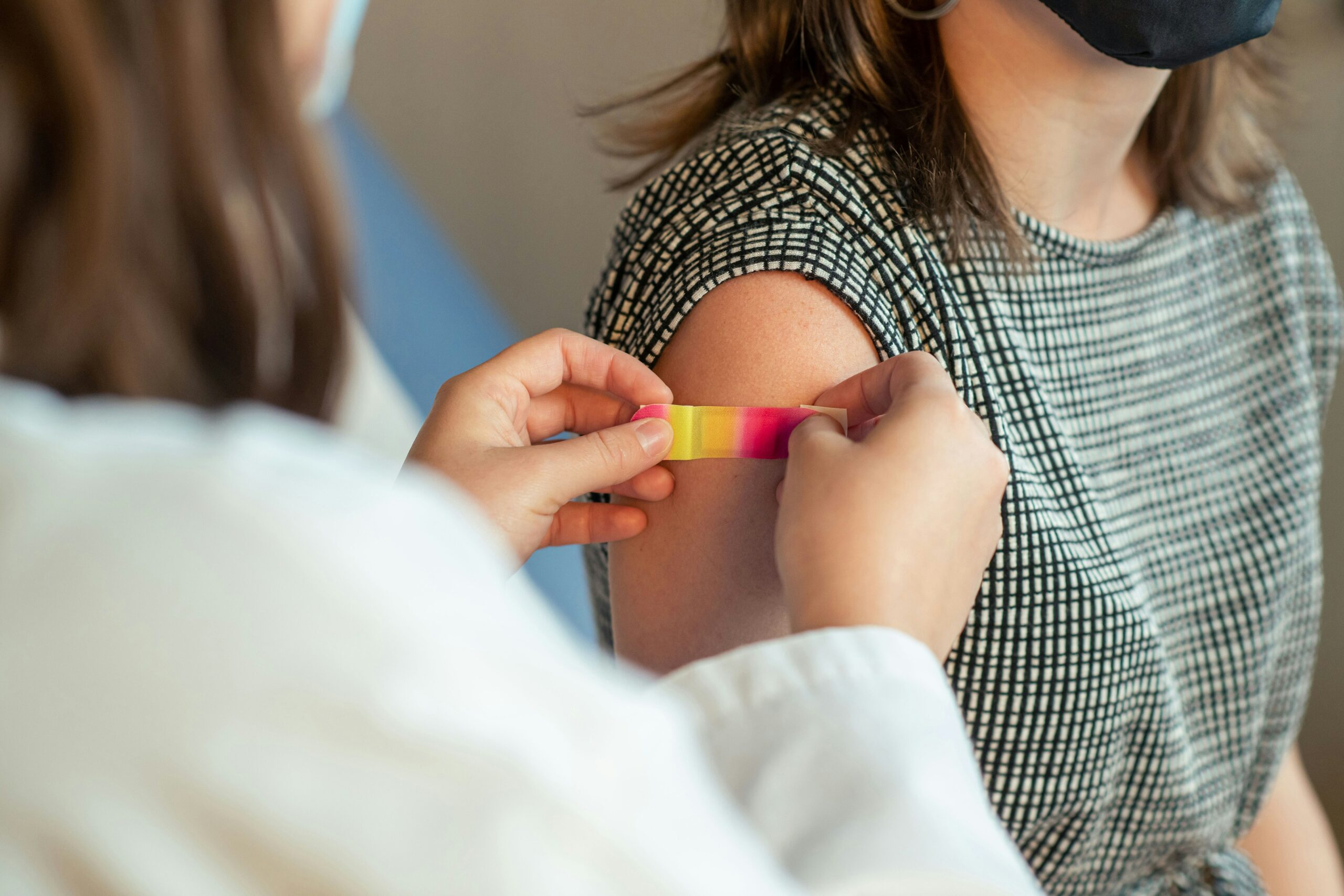
Vaccination is the most effective preventive measure against measles. In Catalonia, the vaccine is administered as part of the MMR vaccine, which protects against measles, mumps and rubella.
Catalonia’s routine vaccination schedule establishes that the measles vaccine should be administered at 12 months and 3 years of age. Health authorities also recommend vaccination for adults who are not immunised, meaning those who have not been vaccinated or who have not developed an adequate response to the vaccine.
For vulnerable people (infants, pregnant women and severely immunocompromised patients), specific immunoglobulin prophylaxis is available following close contact with a confirmed case. In these cases, immunoglobulin should be administered as soon as possible within 6 days of exposure.
Vaccination not only helps protect the person who is vaccinated, but is also essential for limiting the circulation of the virus and preventing new outbreaks.
In fact, thanks to vaccination and efforts to interrupt local transmission of the virus, Catalonia declared this transmission eliminated in 2000. However, the current increase in cases worldwide makes it necessary to maintain adequate vaccination coverage and identify people who are not fully vaccinated or who have not developed an adequate response to the vaccine.
Current outbreaks are a reminder that measles has not disappeared. As long as the virus continues to circulate in different parts of the world, an unprotected person can contract the disease and contribute to new chains of transmission.
For this reason, if there is any doubt about vaccination status, it is advisable to consult a healthcare professional and check whether the appropriate vaccinations have been received. Prevention and vaccination remain the main tools for stopping a preventable infection from gaining ground again.
16/10/2026
23/12/2025
16/12/2025
Share