


Solidaritat
Eurofirms and the Fight Against Infections Foundation launch ‘Sharing Wellbeing’, a series of conversations exploring the relationship between wellbeing and work
10/07/2026
See more

Eurofirms and the Fight Against Infections Foundation have launched ‘Transmitiendo bienestar’ (‘Sharing Wellbeing’), a new series of conversations exploring the connection between health, wellbeing and the workplace.
The initiative brings together the perspectives of the healthcare and business sectors to explore how working conditions directly affect people’s physical and emotional health, and how effective management can help improve it.
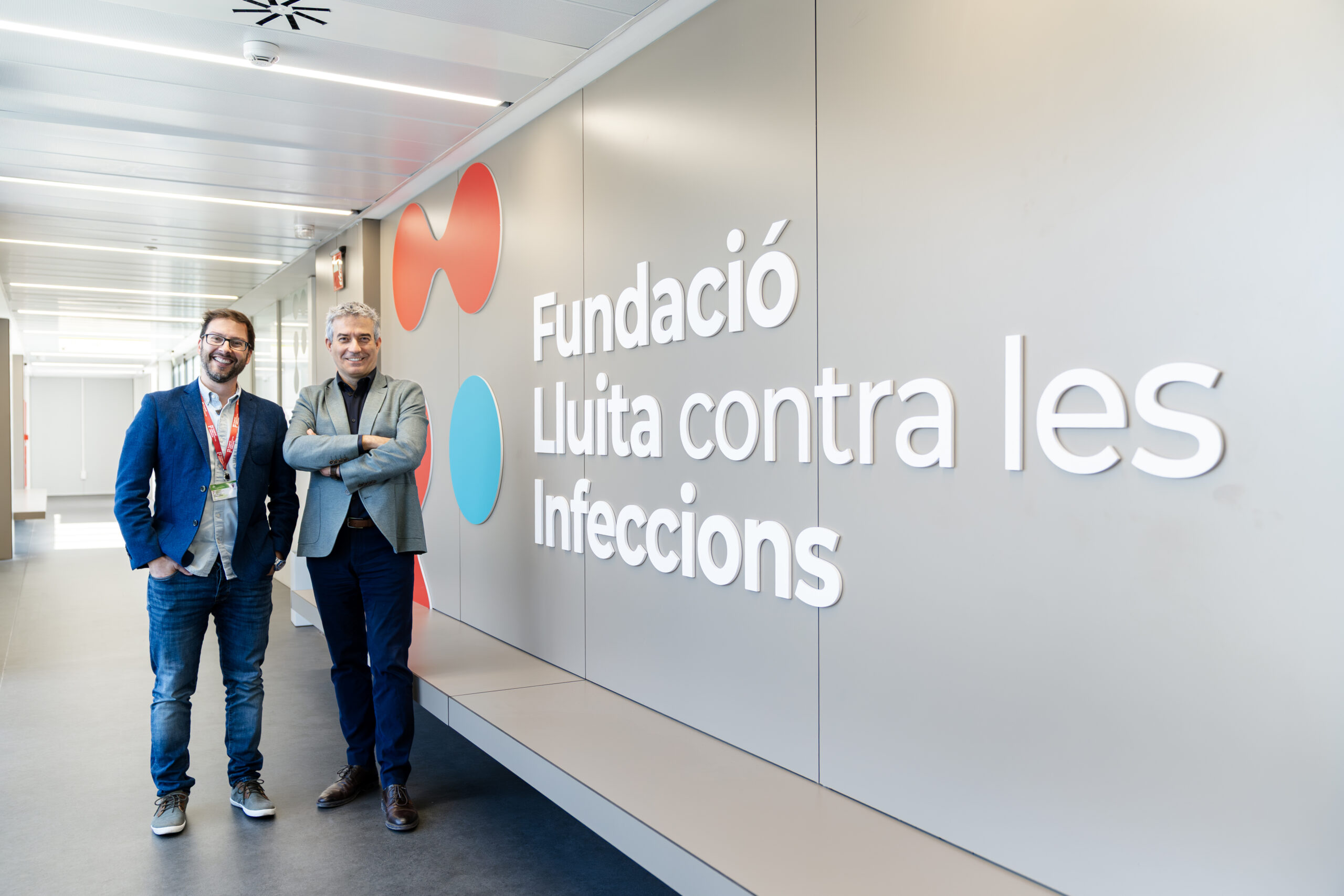
The series features Fidel Mallo, Chief People Officer at Eurofirms Group, and José A. Muñoz-Moreno, clinical psychologist and researcher at the Foundation.
One of the main topics of the conversation was mental health at work. According to data shared during the episode, 15% of working-age people live with a mental health condition, and millions of working days are lost every year due to depression and anxiety, generating a significant global economic impact.
Both experts agree that factors such as constant pressure, stress and burnout are becoming increasingly common in the workplace and have direct consequences for people’s wellbeing and, in some cases, for the progression of certain illnesses.
The discussion also highlighted the importance of prevention. Acting early helps reduce absenteeism, prevent emotional exhaustion and improve both quality of life and health outcomes.
From a business perspective, the conversation emphasised the need to build people-centred organisational cultures based on listening, support and the creation of environments built on trust.
Beyond physical aspects such as ergonomics or workplace design, the experts stressed that wellbeing also depends on how people work, how teams communicate and how relationships are managed on a daily basis.
Leadership emerged as a key element in promoting wellbeing. A leadership style based on empathy, active listening and consistency can reduce stress, improve the working environment and encourage employee engagement.
Furthermore, creating environments where people feel safe discussing health issues without fear of negative consequences helps normalise these conversations and build healthier organisations.
Another topic explored was the role of technology and artificial intelligence in workplace wellbeing. Far from being dehumanising, the experts agreed that these tools can help reduce repetitive tasks, improve decision-making and free up more time for meaningful human interaction when used ethically.
In the business sphere, the use of predictive tools makes it possible to anticipate risks and improve talent management, contributing to more sustainable working environments.
The conversation concluded with a clear message: wellbeing is, and will continue to be, a central pillar of the future of work. Prevention, collaboration between the healthcare and business sectors, and the creation of environments that care for people will be essential in the years ahead.
As the initiative’s promoters highlight, when people are well, wellbeing not only improves their health but also spreads to teams and organisations as a whole.
10/07/2026
11/06/2026
12/05/2026
Share