

Schisto zero
Schistosomiasis is a forgotten and neglected disease that, if not diagnosed in time, can cause very serious health problems.
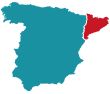
Schistosomiasis is an infectious disease caused by a parasite found in freshwater in rivers and lakes. It is estimated to affect more than 250 million people in 79 countries, mainly in regions where the infection is endemic. 90% of cases are concentrated in sub-Saharan Africa (view the map).
Outside these regions, the infection is mainly diagnosed in migrants and international travellers who have been exposed to contaminated water during stays in endemic countries.
Despite the availability of a simple and effective treatment, schistosomiasis remains clearly underdiagnosed, both in endemic and non-endemic settings. In the latter, factors such as low clinical suspicion, non-specific symptoms, and the limited sensitivity of diagnostic tests make early detection more difficult.
In its early stages, it may remain asymptomatic for years. When symptoms do appear, the most common are:
If left untreated, the infection can become chronic, significantly affect quality of life, and lead to serious complications such as infertility, bladder cancer, stroke, or liver and kidney damage. The parasite can remain active in the body for more than 30 years without treatment.
Is it curable?
Yes. Schistosomiasis can be easily treated with a simple oral medication.
Access all available resources to learn more →




“When I was little, I had terrible stomach pains and I bled when I peed.”
Aminata Sow
“I suffered from frequent vaginal infections and very severe menstrual pain.”
Moussou Sylla
“I was diagnosed with chronic kidney failure, and there was no turning back.”
Alieu Sisaho
If you have experienced symptoms like these, come from countries at risk of schistosomiasis or have travelled there, and think you might be infected, take our test to find out if you could have schistosomiasis.
25/06/2026
13/10/2025
05/09/2025
15/09/2025